
Australia's Bold Move: Banning Social Media for Teens Under 16
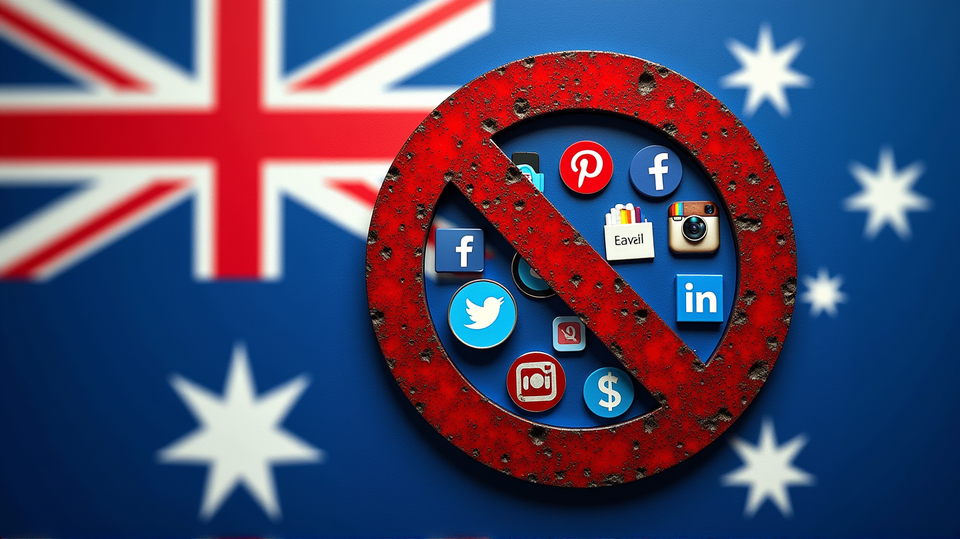
Australia is taking a groundbreaking step that has sparked a global conversation: it is the first country to impose a sweeping ban on social media for teenagers under the age of 16. As announced under Prime Minister Anthony Albanese’s government, this bold policy is set to take effect from December 10th, targeting platforms such as Facebook, Instagram, and TikTok.
The Reasons Driving the Ban
According to government research, a staggering four out of five children aged eight to 16 are active on social media. Concerns about exposure to cyberbullying, child exploitation, and harmful content have driven this legislation forward. By putting children’s safety at the forefront, Australia aims to lead the charge on global online safety. However, critics argue that this introduces concerns about youth losing access to crucial support networks and creative avenues.
A Challenging Implementation
Al Jazeera reports that enforcing this ban poses significant challenges. Platforms will be required to adopt stringent age verification processes, such as image uploads for identification and regular compliance audits. Yet, critics warn that tech-savvy teens could easily circumvent these barriers using VPNs or alternate platforms not covered by the ban.
Privacy Concerns Emerge
The new legislation has stirred concerns over user privacy, as the requirement for age verification means more personal data could be at risk of exposure. Experts have pointed out that this could lead to a privacy predicament, as these systems may inadvertently prioritize surveillance over safety, making individuals more susceptible to data breaches.
Global Responses and Potential Trends
Australia’s move is pioneering and prompts a discussion internationally. While some countries like the United States have attempted similar restrictions, they faced legal hurdles. Meanwhile, others such as Denmark and Malaysia are watching closely, potentially poised to follow in Australia’s footsteps.
Diverse Opinions on Possible Impacts
The debate surrounding the ban has unearthed various opinions. Supporters herald the initiative as a protective measure for young minds, while critics emphasize the necessity for access to online networks, which can prove vital for emotional and mental wellbeing. The complex relationship between social media and youth development remains an ongoing conversation, with Australia’s decision adding a new dimension to the debate.
The ramifications of this policy will be closely observed globally, as nations grapple with striking a balance between protecting their younger citizens online and preserving access to digital platforms that offer essential support and growth possibilities.