
Falling for the Illusion: The Rise of Parasocial Relationships
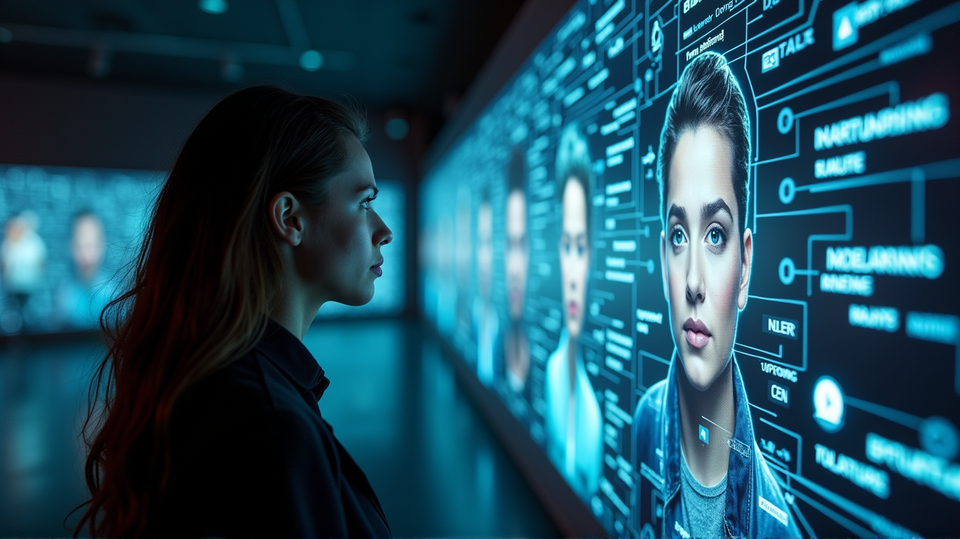
Ever felt an inexplicable connection to someone whose voice echoes through your headphones, or whose face smiles back at you from a screen? It’s a sensation known as ‘parasocial’, a term recently crowned as the word of the year by the Cambridge Dictionary. In a world increasingly intertwined with the charisma of celebrities and the rapid advance of artificial intelligence, these one-way relationships are gaining unprecedented momentum.
Understanding the Phenomenon
Originally coined in 1956 by sociologists, ‘parasocial’ describes a connection one feels towards a celebrity or media figure. Fast-forward to the digital age, and this phenomenon has amplified, becoming a touchstone for millions seeking connection through their screens. According to The Guardian, the digital age has transformed this once niche term into mainstream discourse.
The Role of Artificial Intelligence
This year saw not only the engagement of Taylor Swift and NFL star Travis Kelce stir parasocial sentiments, but also the rise of AI chatbots as new players in the realm of digital companionship. From providing affirmations to inadvertently becoming surrogate therapists, AI’s role in creating an illusion of connection is paving the way for redefining interactions.
Unforeseen Consequences
While parasocial relationships can feel comforting, they pose risks, particularly to younger generations. As real-world trust wavers, influencers and imaginary AI companions become surrogates for companionship—a shift that’s not without its pitfalls. Simone Schnall, a social psychologist at the University of Cambridge, warns of potential ‘unhealthy’ intensities brewing within these virtual bonds.
Redefining Social Connections
In a swipe-at-your-fingertips world, the notion of social connection expands. Parasocial relationships, while criticized for their asymmetry, reflect a changing dynamic in how we engage with media, celebrities, and technology. They invite us to question what it means to be connected and the implications of trading flesh-and-blood interactions for virtual dialogues.
The Growing Lexicon
This evolving landscape has prompted additions to our vernacular. Alongside ‘parasocial’, terms like ‘memeify’—transforming images into internet-spanning memes—and ‘slop’, which refers to AI-generated content crowding digital platforms, are joining the everyday lexicon.
As we navigate these complex webs of connection and conversation, ‘parasocial’ stands as both a sign of the times and a fascinating insight into our collective psyche. It challenges us to rethink the nature of our interactions and the allure of the untouchable world we so eagerly touch screens to reach.