
From Classroom to Crisis: How a COM Student Transforms Emergency Response
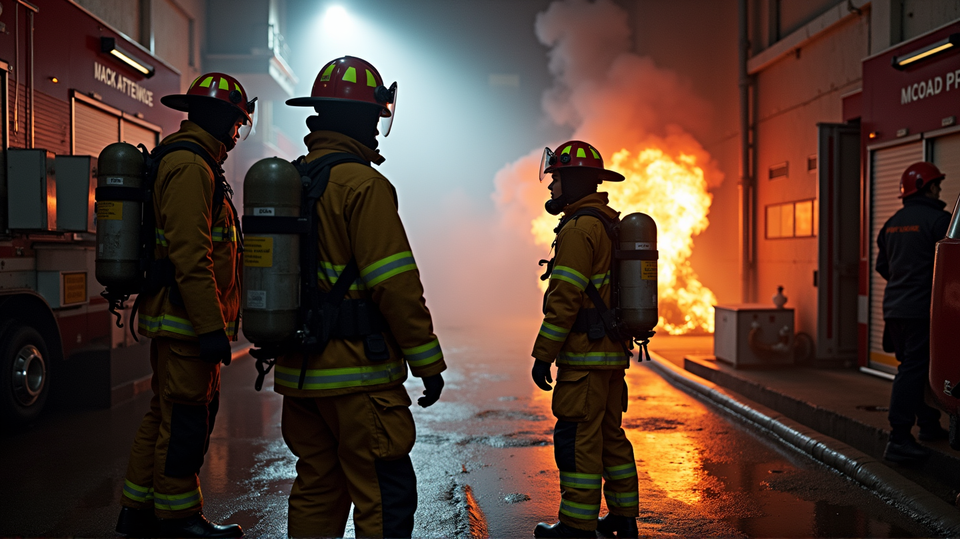
Emergency medicine often begins with an unpredictable moment, where seconds count and knowledge meets reality. In the bustling town of Fivepoint, a unique partnership emerged, turning a local fire station into a lively hub of life-saving innovation and learning. Spearheading this effort is Michael Ebert, a dedicated student from Penn State College of Medicine, determined to transform emergency response dynamics.
Bridging the Gap: Academic Knowledge Meets Emergency Action
Michael Ebert’s vision was clear: bring the depth of academic medical science into the pragmatic, fast-paced world of emergency services. Together with Penn State Anatomy Graduate Program and the Fivepointville Ambulance Association, Ebert fostered an environment where vital knowledge transcended the conventional classroom boundaries, reaching the hands that save lives.
The Training That Makes a Difference
Imagine the scenes inside the Fivepointville Fire Department, where firefighters and EMS professionals delved into an intensive cardiac arrest response training. Approximately 45 individuals enhanced their skills, focusing on the critical survival chain through well-crafted stations. Participants didn’t merely learn—they experienced cardiac anatomy intricacies, the nuances of high-quality CPR, and the finesse of operating AEDs.
A Commitment to Community Resilience
Standing amid the action, Ebert highlighted the essence of community support and education. “As future educators and health care professionals, our responsibility extends beyond our own training,” said Ebert, emphasizing the importance of collaboration and empowerment within emergency responses that forge stronger, healthier communities.
Innovation and Service at Its Core
This initiative exemplifies how Penn State’s academic excellence translates into practical life-saving strategies. According to Penn State Health News, the training showcases an impactful blend of education and service, sparking a transformation within community emergency protocols that can save countless lives.
A Glimpse of the Future
Looking forward, such efforts promise to empower other communities, nurturing a symbiotic relationship between academic medicine and practical emergency care. Through this pioneering partnership, academic efforts in Penn State stand as a testament to bridging theoretical knowledge and real-world application, creating ripples of life-saving potential across regions.