
How College Changes Our Social Media Habits: Exploring the Shift
A Time of Reflection and Change
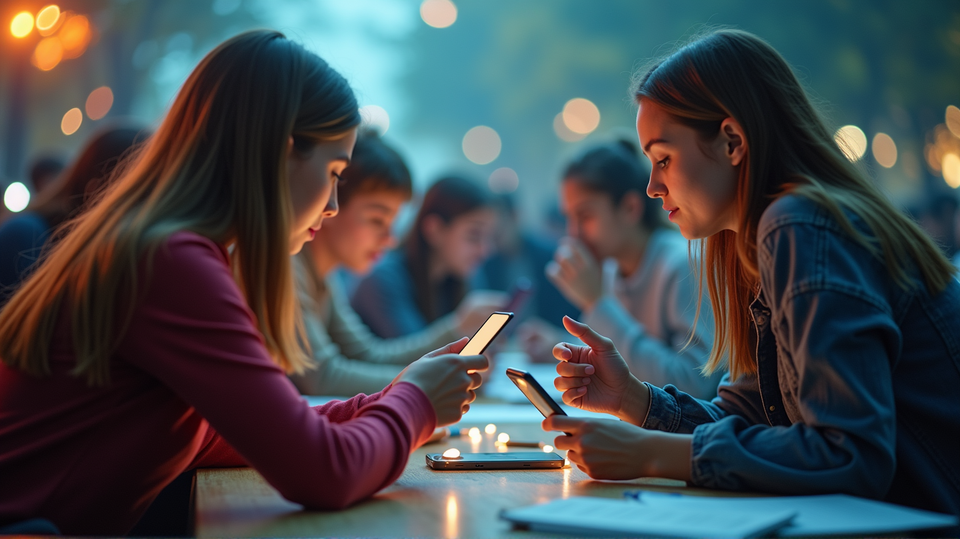
A fascinating shift occurs as individuals transition from high school to college—a time when life becomes more expansive, and social media takes a backseat. This period of change is marked by awareness and self-regulation regarding digital media. Students feel the need to reflect on their social media habits and adapt to a new reality, where interpersonal relationships and authentic communication take prominence.
Insights from University Minds
At the University of Minnesota, Grace Aigner brings insights into this transition through discussions with students and faculty. Natalie Larson, a third-year student, reflects on her diminishing interest in Instagram since starting college. She shares how the pressure to maintain a curated online persona dissipates as she becomes more engaged in real-world experiences.
On a similar note, Maddy Cleverly discusses treating social media as a chore in her early years but finding freedom in being less tied to these platforms as her social circles expand.
The Impact of Social Media Policies in High Schools
An anonymous student from Minnetonka High School shares her experience with a newly implemented phone ban. This policy encourages more genuine conversations and has made screen time more conscious and deliberate—a trend that may influence future generations positively. “Now it’s just a time that when we’re done with stuff, we’ll talk to each other more genuinely,” she recounts.
Navigating Newfound Independence
Family social science professor Xiaoran Sun explains the complex relationship adolescents have with social media and describes college as a period when young adults develop better self-regulation skills. According to The Minnesota Daily, comprehensive insights into media impact are crucial as technology continues to evolve and influence society.
Looking Beyond the Screen
For strategic communication professor Shayla Thiel-Stern, college offers a chance for students to broaden their views and establish media literacy. As social circles grow larger, Thiel-Stern notes, the need for social media to bridge gaps diminishes.
A Balanced Approach to Social Media
What do students hope for as they re-evaluate their relationship with social media? An enlightening point shared by Larson and supports a greater narrative: “I feel like when you’re 20, you have such a different grasp on the world itself.”
As college encourages a broader perspective, the role of social media naturally shrinks. Digital self-regulation becomes a skill cultivated through experience, and students find themselves balancing the allure of screens with the richness of expanded life experiences.
In conclusion, as we head towards winter breaks or any pause in our busy schedules, we’re reminded of the beauty of stepping back. As lives grow bigger, the digital world finds its rightful place—small and manageable, yet undeniably impactful.