
Is Trump's Social Media Scrutiny Dampening First Amendment Freedoms?
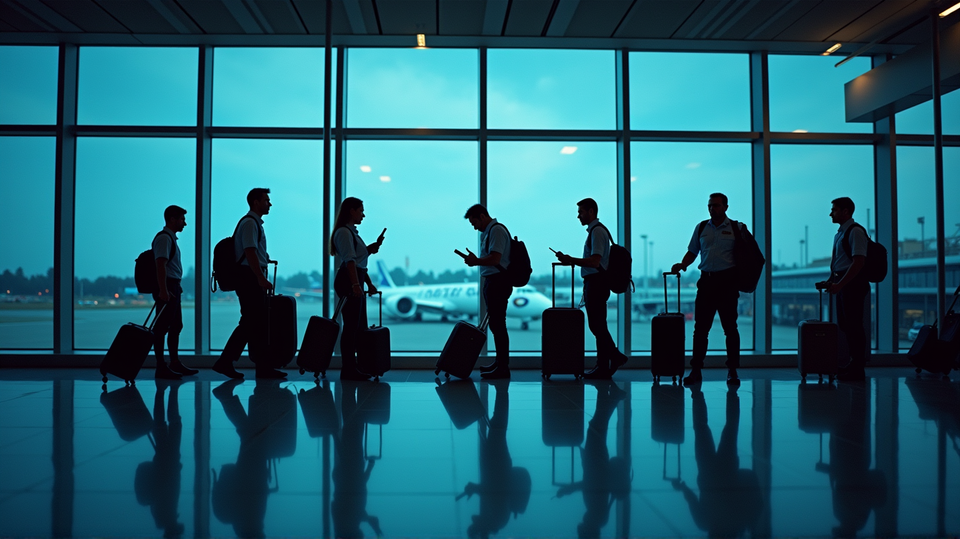
The United States administration, led by President Donald Trump, has unveiled a controversial proposal to require travelers entering the US from visa waiver countries to disclose their social media handles from the past five years. As stated in Al Jazeera, this new mandate ties into measures for heightened national security—a decision stirring debate on privacy and freedom of speech.
The New Frontier of Immigration Vetting
Announced by the US Customs and Border Protection (CBP), this proposal follows the Executive Order 14161. This order aims to counter foreign terrorism and threats to national security. Visitors from 42 countries, including allies like the United Kingdom and Japan, will need to comply via the ESTA (Electronic System for Travel Authorization) to bypass traditional visa applications for trips not exceeding 90 days.
The reach of this scrutiny extends beyond a mere list of social handles; it involves metadata from photographs and extensive personal details, such as family background and biometric data collection—raising eyebrows among civil rights advocates and international communities alike.
Privacy Pressures and Public Responses
While the public holds a 60-day window for comments, the prospective implications on privacy are substantive. Caroline DeCell, a senior attorney, emphasizes the substantial increase in government surveillance this measure entails, potentially implicating the anonymity and privacy travelers—and even US citizens—expect online. The full scope of surveillance might also extend to citizens’ petitioners, thus blurring the lines within the privacy debate.
Eroding the Pillars of Speech and Expression?
The deeper contention lies with the First Amendment rights and the potential chilling effect on free speech. The omnipresent fear of monitoring may deter individuals from expressing themselves freely online or choosing the United States as a travel destination. With the added burdens, the possibility of discouraged tourism and academic exchange is imminent, altering the cultural and academic landscape within the nation.
Furthermore, since social media platforms offer both private and public viewership options, the enforcement of open profiles for those entering the US further challenges the autonomy of self-expression and personal security.
Conclusion: The Balancing Act
As stakeholders continue to debate the social media disclosures’ efficacy and ethical considerations, the Trump administration is walking a delicate path. Implementing such measures calls for a balanced assessment of security needs against the foundational principles of privacy and free speech.
Moving forward, the decisions made will not only impact the immediate international relations and immigration flows but will also serve as a precedent in governmental regulations over digital privacy and freedom of speech.