Trump Administration's Bold Move: Tourist's Social Media under Scrutiny
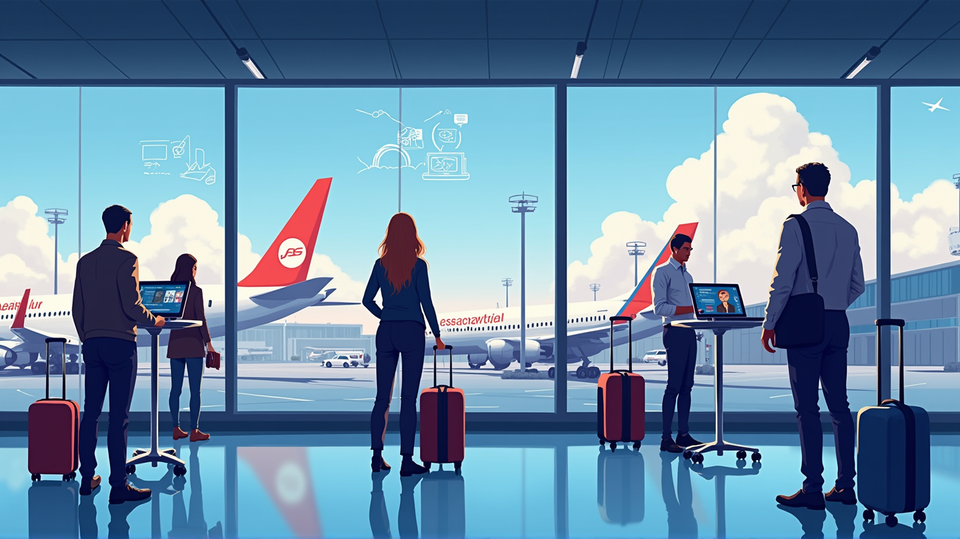
In an unprecedented move, the Trump administration has announced a proposal to impose stricter checks on tourists entering the United States, targeting social media activity. This measure targets citizens from 42 countries within the Visa Waiver Program, dramatically changing how travel to the U.S. is perceived.
Tighter Controls for Foreign Visitors
For years, citizens from certain countries could visit the U.S. without a visa, a convenience that simplified international travel. However, the new regulation could require travelers to submit detailed social media activities for the past five years, alongside any emails used in the past decade. It’s a significant shift that underscores a focus on security and screening.
Security Concerns Drive the Change
According to LAist, the changes are motivated by security concerns, with the administration looking to protect against potential threats. Officials cite the need to monitor for activities that might be seen as anti-American or potentially threatening to national security. Yet, the criteria for what threats these checks might uncover remain vague.
Implications on International Relations
Critics of the policy worry about its potential impact. The requirements may sour diplomatic relations with allied countries whose citizens enjoy visa-free travel. The opportunity to explore the United States without visa constraints has always encouraged cultural exchanges, but these new rules may alter perceptions and willingness to travel.
Navigating Complex Regulations
With Homeland Security’s new regulations, travelers and legal experts are navigating uncharted territory. Legal experts warn of the broad and discretionary nature of these policies, which can lead to subjective interpretations at entry points. For many, this uncertainty magnifies the challenge of international travel to the U.S.
Final Thoughts
This move represents a growing trend of scrutinized digital footprints and raises questions about privacy and security in the modern age. As this policy proposal evolves, its effects on tourism, international relations, and personal freedoms leave much to be observed. For tourists, it’s a clear sign of shifting times in global travel.