
Unveiling the Influence of Social Media Enthusiasts on Youth and Well-being
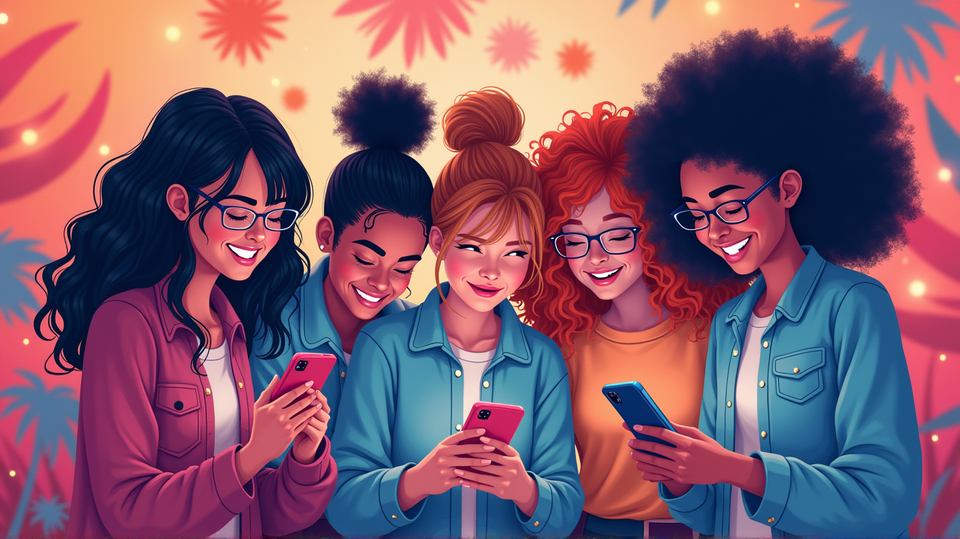
Diving into the intricate connection between social media, mental health, and digital influencers reveals both promising potentials and cautionary tales. In a groundbreaking study published by the journal of Health Communication in 2025, researchers conducted an analysis of YouTube content promoting mental health. They explored how social media influencers’ communication strategies shape perceptions and interactions among college students.
The YouTube Phenomenon and Mental Health
YouTube’s extensive reach cannot be understated, with over 2.70 billion users every month, as noted by GlobalMediaInsight.com. This popular platform, second in visits only to Google, plays a crucial role in shaping mental health dialogues. Studies have found it to be a preferred source for adolescents seeking mental health literacy, highlighting its potential to positively impact global internet users. An intriguing finding noted how micro-influencers wield a more nuanced persuasive power than their mega-influencer counterparts due to their relatable narratives and personal connectivity.
Social Learning Theory’s Role in Online Influences
Albert Bandura’s social learning theory emphasizes behavior acquisition through observation, a concept seamlessly integrated into this study’s findings. By applying this theory, researchers identified communication strategies that boosted viewer engagement and commentary. Sharing personal experiences, identifying with mental health organizations, and crafting relatable content emerged as powerful tools in fostering community engagement. This nuanced approach not only enables understanding but encourages action.
The Promising Yet Complex Landscape of Mental Health Advocacy
While the benefits are manifold, the interface of YouTube with mental health also bears certain risks. A 2023 report highlighted concerns about unhealthy parasocial relationships and mental health challenges among avid YouTube viewers. Yet, these very platforms, with their vast resources, hold the potential to redefine how mental health resources are accessed and consumed. According to Forbes, YouTube’s reach is staggering, poised to influence young adults significantly.
Balancing digital connectivity and psychological well-being necessitates an insightful approach. For young adults today, social media influencers stand as both role models and advocates, captivating audiences with their creativity and authenticity. By translating personal stories into widely-accessible narratives, they shift dialogues and inspire innovative pathways for mental health awareness. This blend of relatability and digital presence emphasizes the importance of curating content that not only informs but also connects with the audience on an emotional level.
In conclusion, YouTube and its influencers represent a dynamic frontier for mental health promotion. As their sway over young adults continues to expand, understanding and optimizing these virtual interactions becomes critical for fostering positive mental health outcomes and building inclusive digital communities.